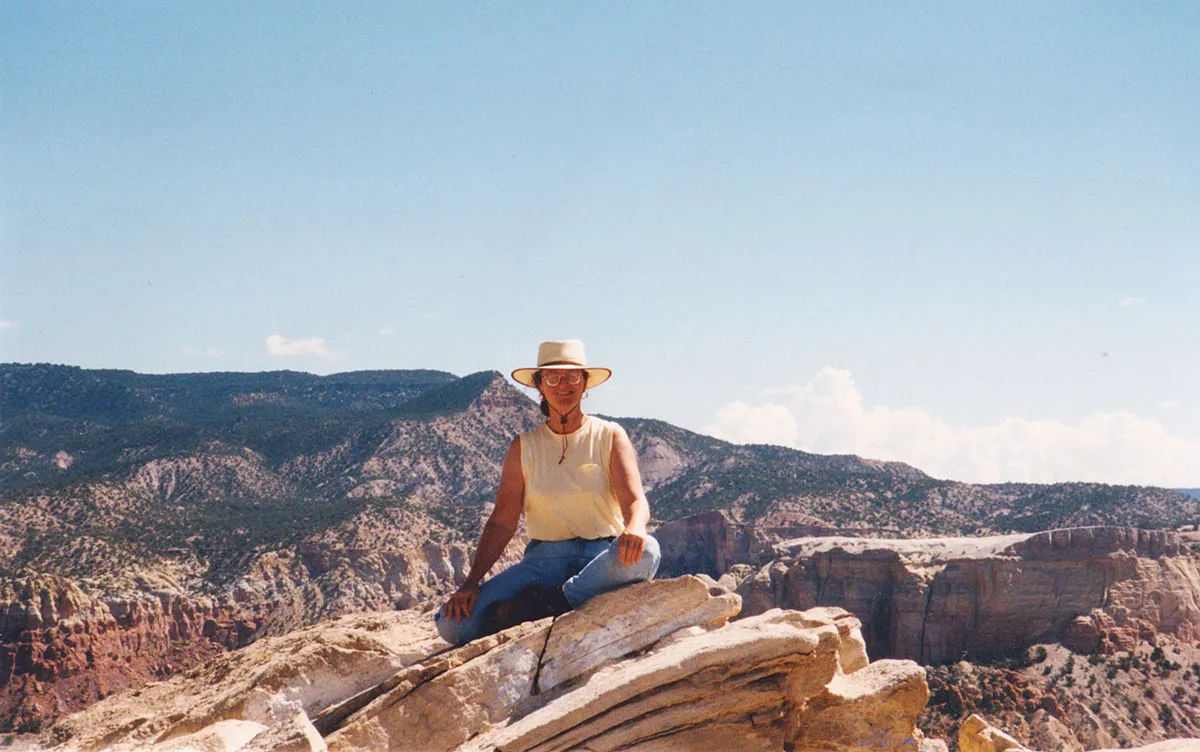
Ursula Beck
Founder
URSULA BECK is an Artist, Writer and Philosopher whose career is dedicated to designing and producing creative art experiences for students.
Instructor profile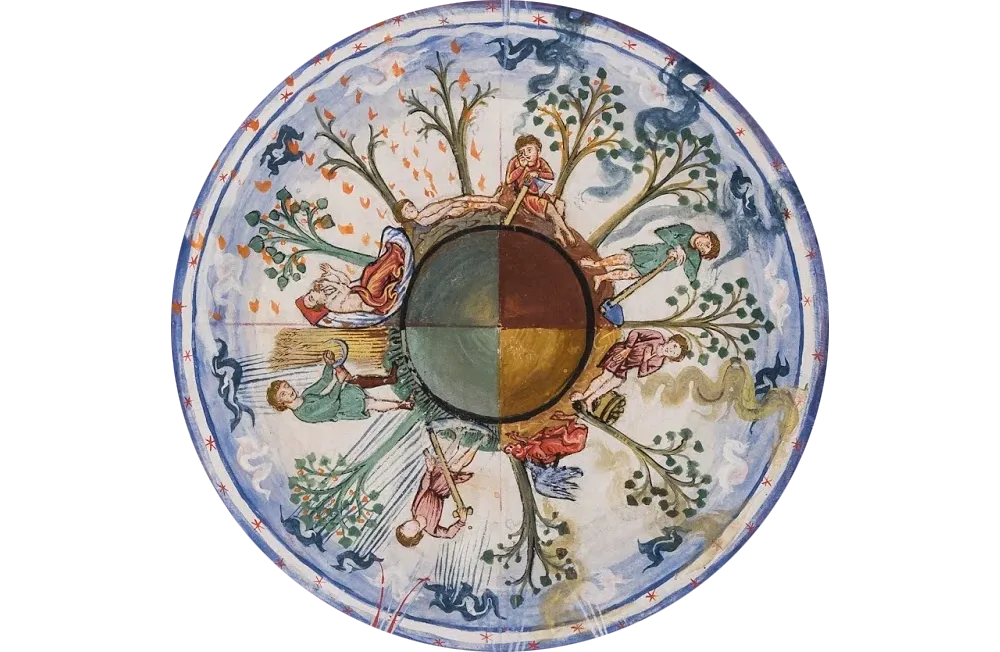
Dates: Sept 28 - Oct 4
Status: upcoming
Instructor(s): 
You are invited to join a vibrant Hildegard Community for a week: Explore -Painting, Music, Calligraphy; Communally enjoy fresh monastery garden lunch’s; and join a traditional Native American ‘Veriditas’ dance from the 12th Century American West. All are Welcome.
Taos, New Mexico
Hildegard von Bingen was an extraordinary woman living in 12th Century Germany.
In addition to being the Abbess of a large and influential Benedictine monastery, she was a Healer, Preacher, Scientist, Composer, Theologian and Artist.
She wrote 9 books on Theology, Medicine, Science and Physiology as well as 70 poems and an Opera.
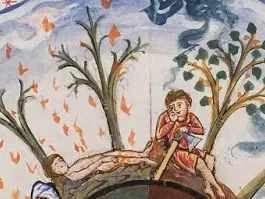
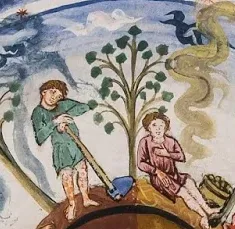
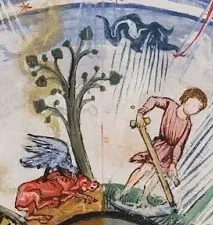
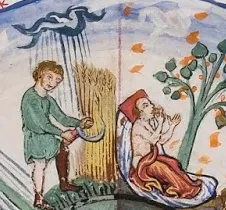
At the age of 42, she began having Visions which were painted as 36 Illuminations.
Her Writing, Music, as well as her Art, miraculously survived great danger In WW2 and are gratefully bequeathed to us today.
To be included in the Benedictine Abbey of Hildegard von Bingen in the 12th Century, Germany, was an artistic privilege for a woman of her time.
In the service of God, these woman were able to join like-minded peers for a life of Creativity closed to most other women in their era.Inspired by their Abbess, Hildegard, they:
Painted sacred icons, helped bring Hildegards’ Visions to life, Wrote Theology, Composed and Sang original Music, Produced plays, and practiced Calligraphy. All the while immersed in a life of silence and service, attending to a Healing garden, learning about medicinal plants. and tending income producing vineyards.
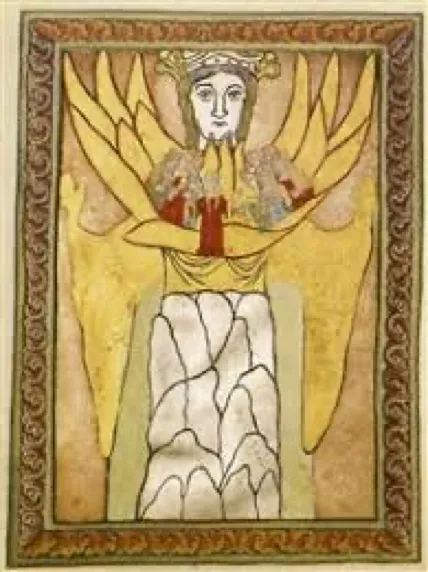
The Taos Art School invites you to join a Hildegard Community for a week of Creative Exploration following by attendance at the Dance of the Corn Mother held annually at Taos Pueblo.
In 2001, we conceived of a week long experience following in the footsteps of this artistic Benedictine woman’s community including Painting, Calligraphy and Music.Updated to 2026, we are especially delighted to include attendance at A Native American Dance in service of Veriditas as well as access to a lovely garden.
For one week,we will explore some of the art forms practiced in Hildegard’s community: Painting, Calligraphy, Music, and Writing.We start each day with A silent prayer and reading of inspirational writings of Hildegard, followed by a morning of art activities. All levels of art experience are truly welcome.
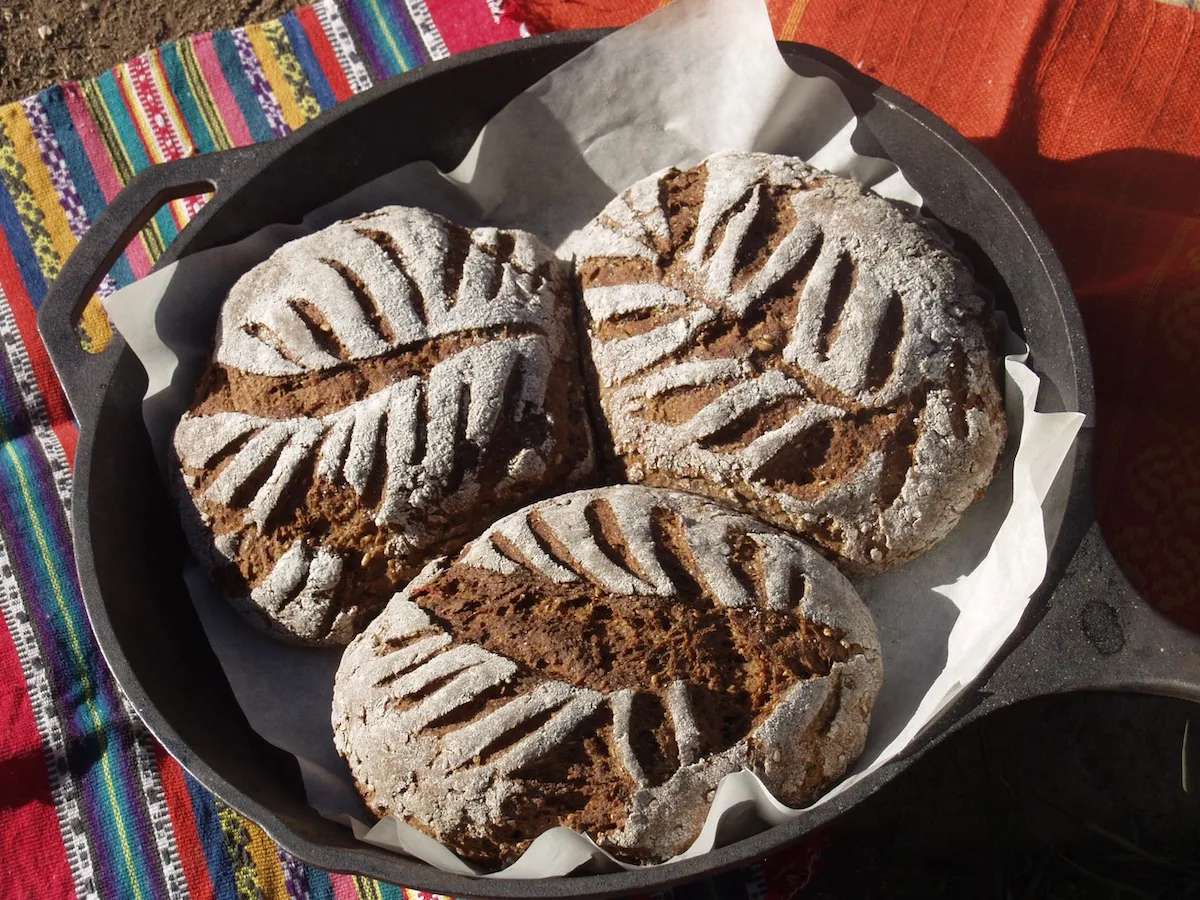
Each day at Lunch, we enjoy a home cooked meal exclusively using foods available in her time: Spelt Bread, Roasted Chestnut soup, many Vegetables, Fish, Bitter Greens, and Cookies of Joy. Weak beer, such as was preferred in her time, will also be available.
Afternoons are spent in a garden, or by the river. The garden will have many plants familiar to Hildegard which we can tend and collect for the next days lunch. We will also sketch and identify medicinal plants of her time.
Evenings are on your own, exploring the galleries our little New Mexican art town is famous for as well as sampling the wonderful variety of our many restaurants.
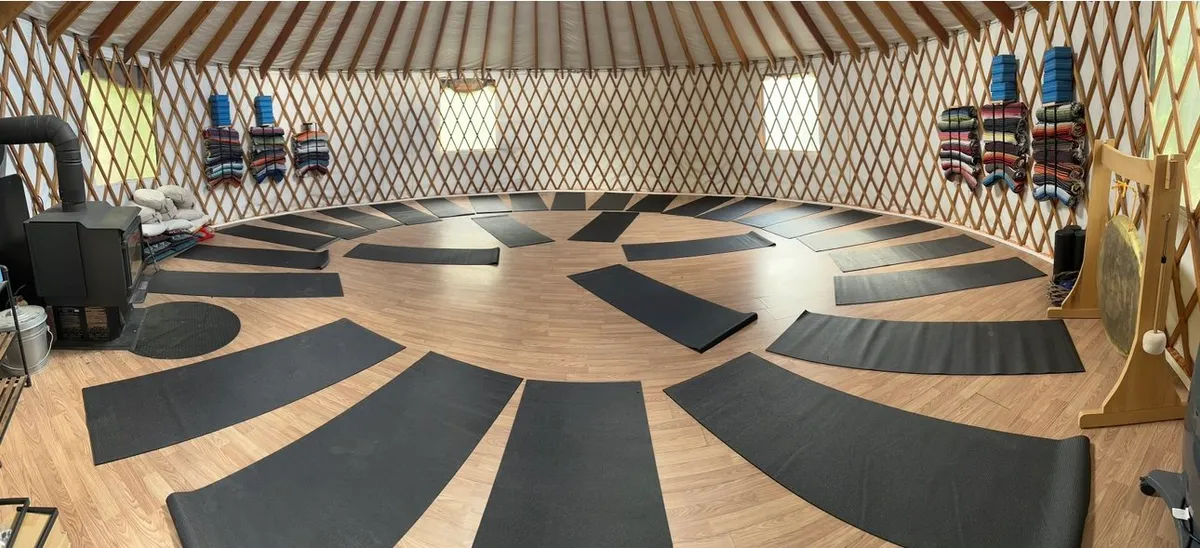
You are invited to stay in the same Hotel with your fellow participants which is also where the art events will take place.The garden is just a mile up the road.
Come Join us!
Hildegard von Bingen and The Taos Pueblo
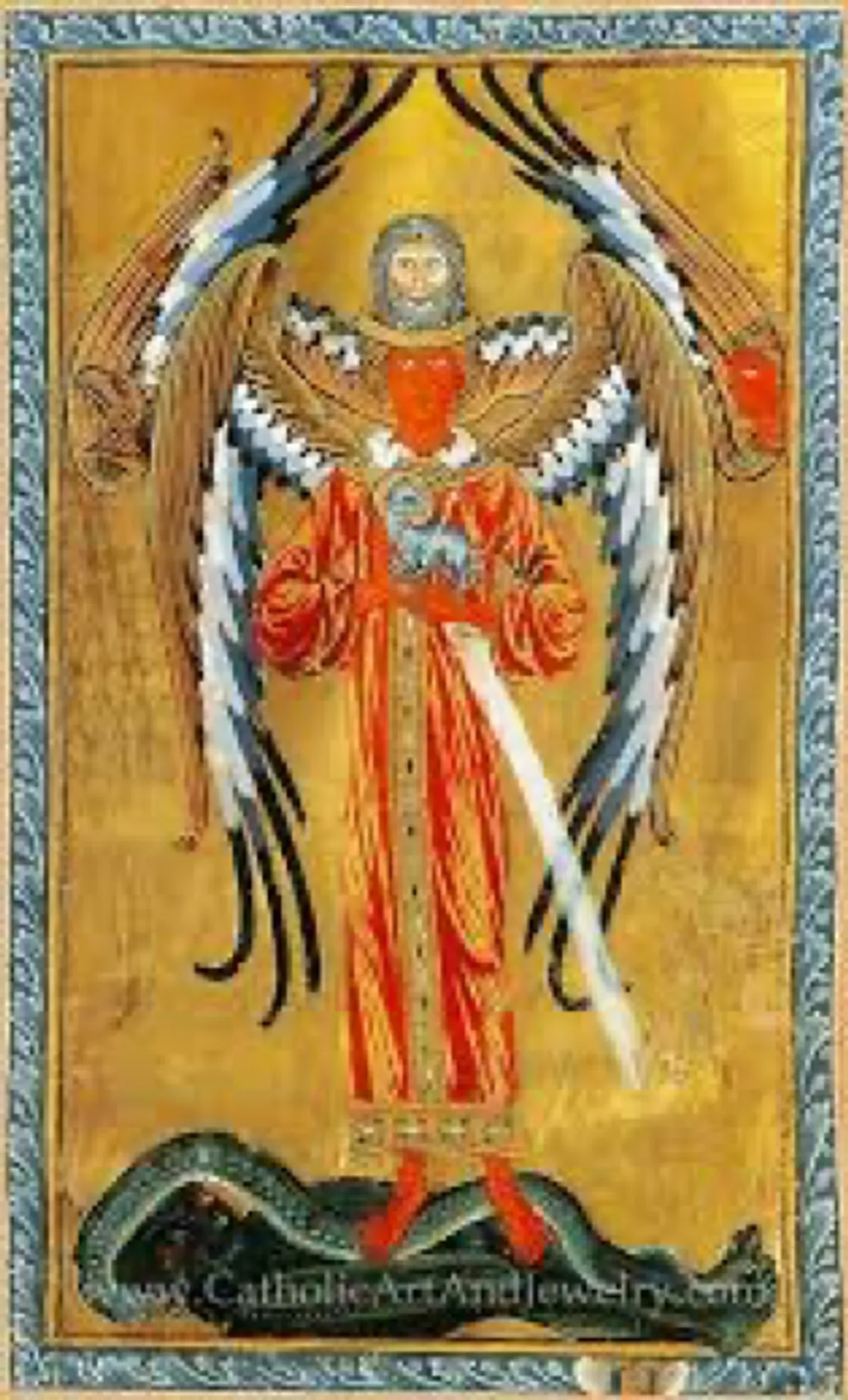
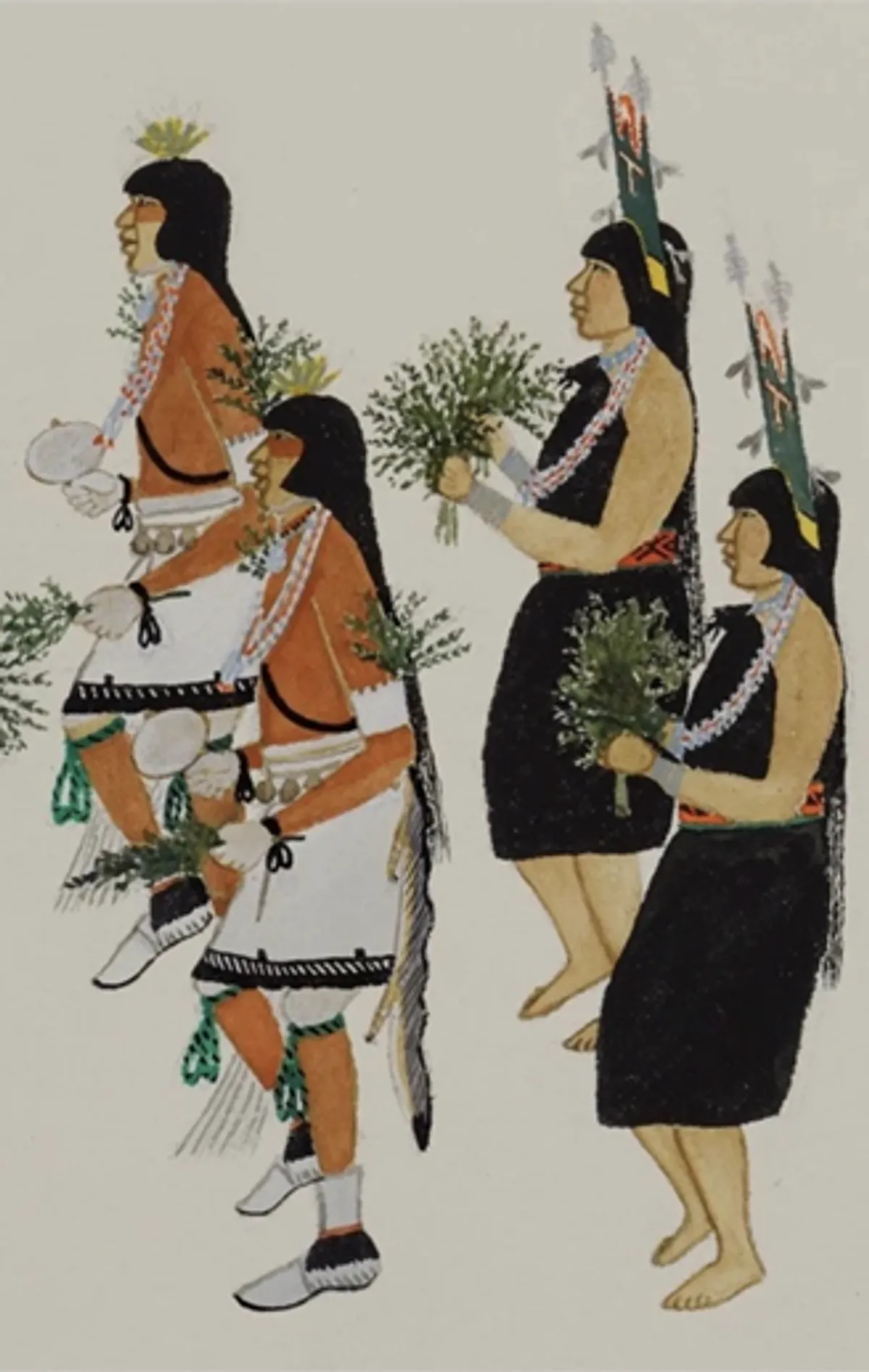
These two forms of worship took place at the same time in the 12th Century, across a vast uncrossed ocean, and with different cultures that were not yet aware of each others’ existence: Europe and, the as yet ‘undiscovered’, Americas.The medieval Nuns monastery in Germany and the women of the Pueblo Native communities of New Mexico were both dancing to the same Tune, that of worshiping the life giving force apparent in the greening of Nature. They solemnly understood the importance of honoring it with sacred movement and music.
HILDEGARD’S GARDEN
“I had a green field in my power.
Did I give it to you, Oh Human,
So that you would make it put forth
Whatever fruit you wished?
Scivias 11.5.46;CCM 43,214
Hildegard’s concept of Veriditas colors her Life View & Spiritual Direction.
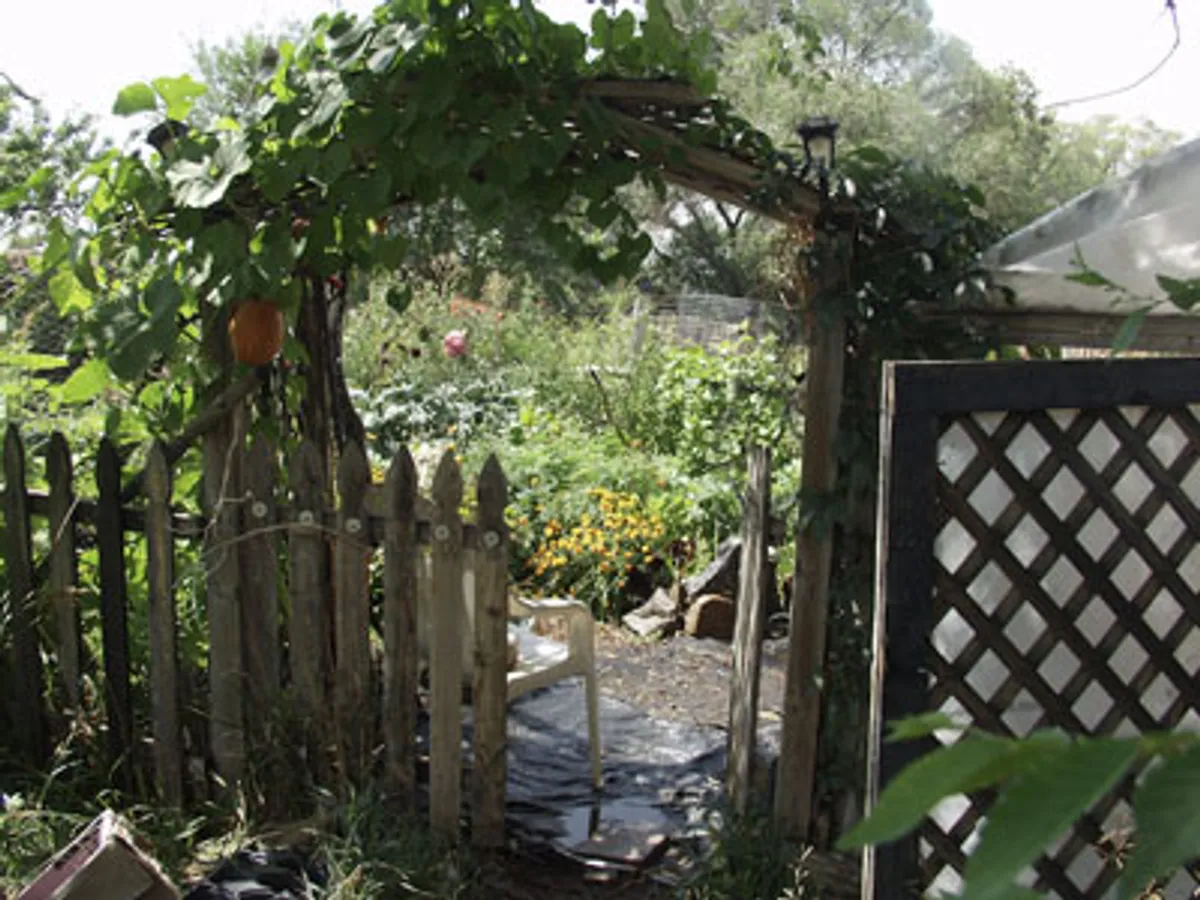
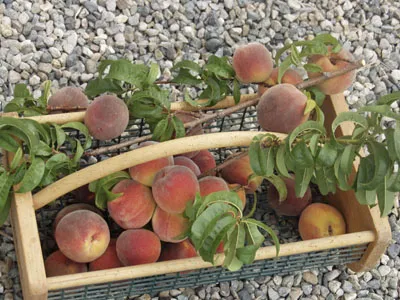
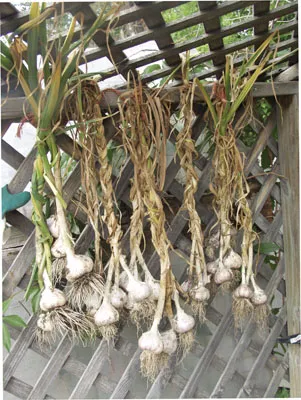
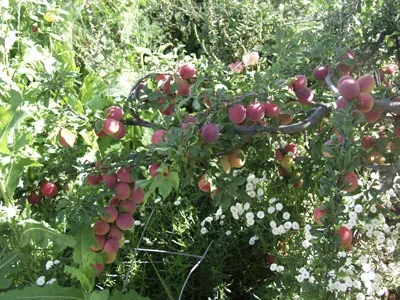
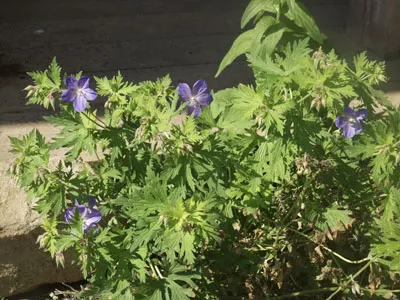
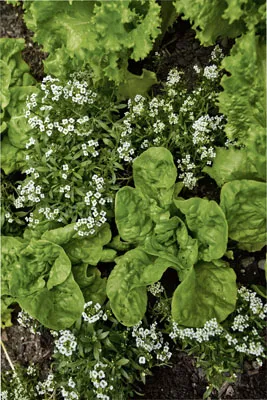
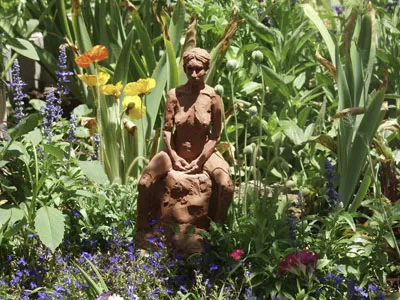
In honor of this, we will spend some peaceful time in a home garden with many of the same plants available in the 12th Century.There we will have an opportunity to: Sketch plant forms, Identify unusual plants, and Gather fresh greens for a daily salad.
TAOS PUEBLO CORN DANCE
Because this is an experience as much about Culture as it is about Art-making, we have additional immersion opportunities for you throughout the week.
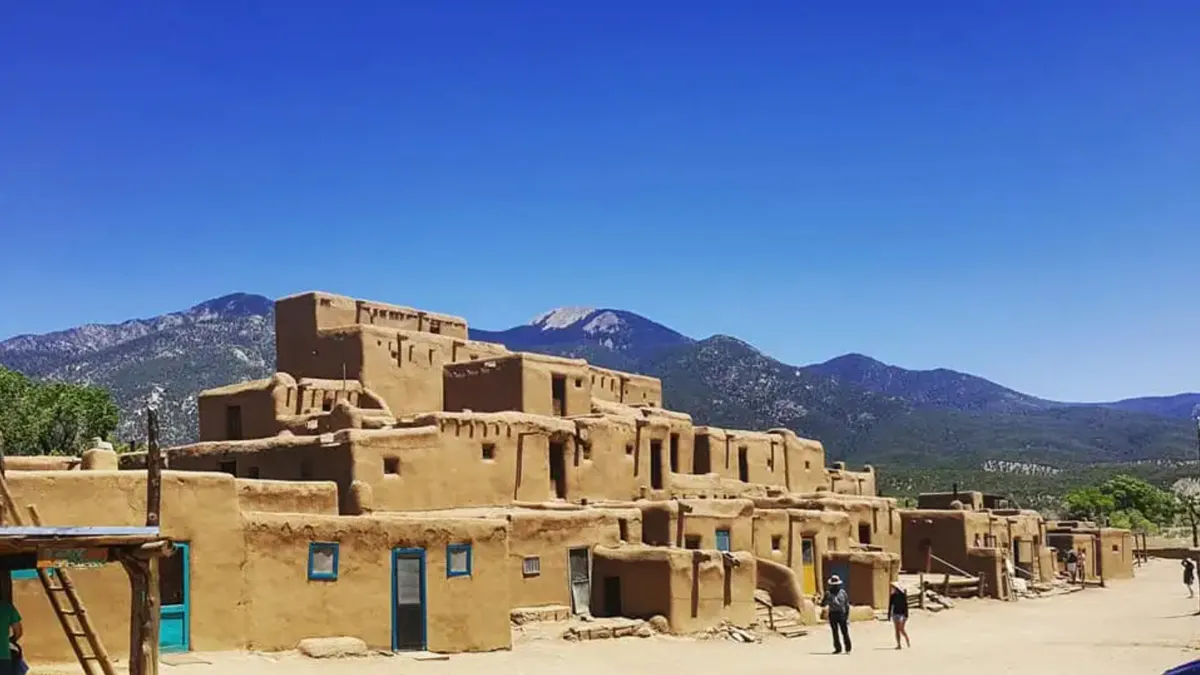
The Taos Mountain looms above the piled adobe structures that compose Taos Pueblo, the oldest continually inhabited Puebloan village, a vibrant community for over one thousand years. Still today there is no running water, no electricity, no internet, one of the reasons for which is their commitment to preserving their native culture. Stories and traditions are passed through generations orally, often by elders.
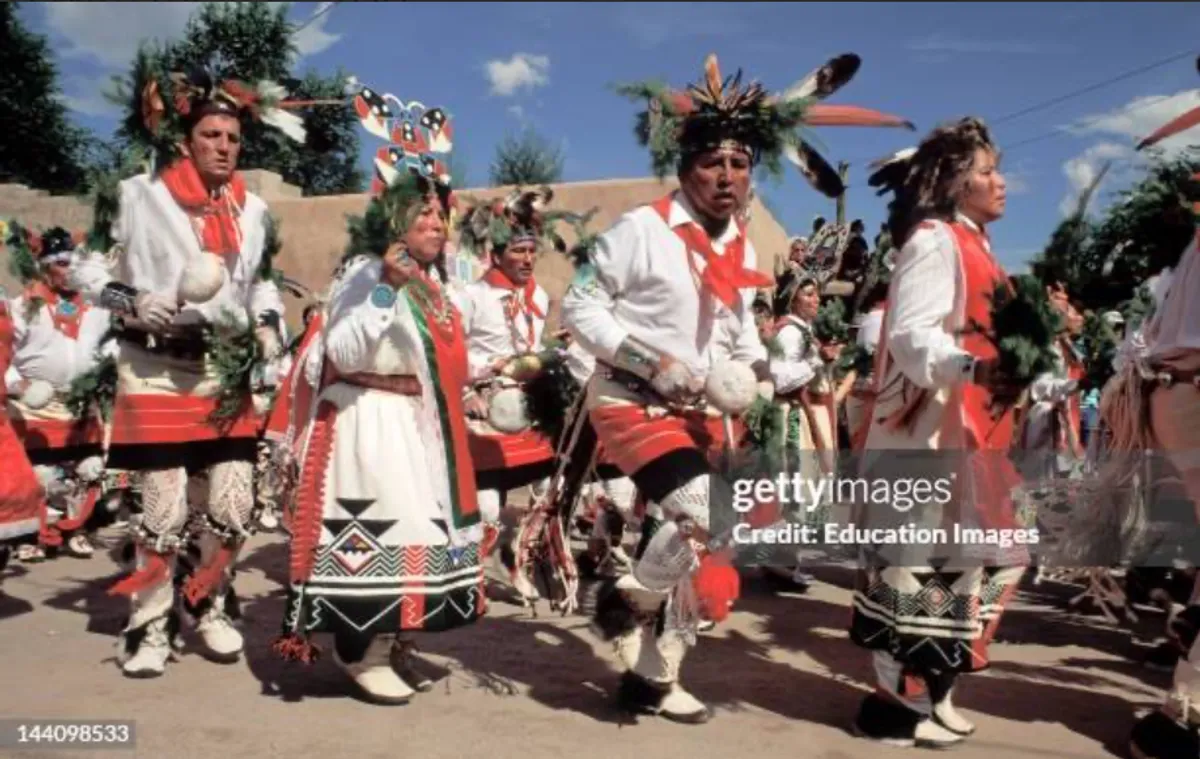
The Taos Pueblo Corn Dance is a sacred ceremony that honors the Corn Mothers. It takes place in a ceremonial kiva, which is a space deep underground, before coming above ground for public viewing. Because the Tewa people have a living tradition each dance is unique although a general pattern is followed -- one that has ancient origins. The point of these dances is to pray for rain, help the corn and other crops grow through dancing prayer, and to keep the Earth and her people in balance.
The dance features:
Here are some tips for attending a Taos Pueblo Corn Dance:
Pueblo dances happen when they happen, and after 1:30pm can mean any time around that or much later. Dances last as long as they need to last, usually stay about 1-2 hours. Try to spend this afternoon away from a schedule, clock etc. Things work differently at Pueblos.Tribal communities do not use the clock to determine when it is time to conduct activities. Acts of nature, as well as the sequence of events that must take place (some not for public viewing) usually determine start and finish times for ceremonies.
Here is a rare, 2016, video of a Corn Dance at one of the other Pueblos here in northern New Mexico. You Will Not be permitted To do any kind of recording at the Dance we are invited to attend here at Taos Pueblo, July 2025. Pueblo Corn Dances
Founder
URSULA BECK is an Artist, Writer and Philosopher whose career is dedicated to designing and producing creative art experiences for students.
Instructor profile Guide
Julia Lacy Armstrong is an oblate of the Order of Saint Benedict and has lived for the last thirty or more years under its Rule. She grew up in the fifties on a small farm in Southern Michigan, raised as an only child by her deeply spiritual parents and maternal grandmother who believed that religion was too important to be dictated to anyone you love, and encouraged her to find my own way. She has spent the last 79 years doing so.
Instructor profile