We all want to develop our skills as rapidly as possible and expect every painting to be a masterpiece but often fail. Why? Managing failure (or results we are not happy with) is a two-step process.
Studio Discussion: Managing failure. Discuss flow and Deliberate practice
Introduction
Studio Discussion:
Course overview: How do we see and how do we interpret visual information?
How we learn: The neurobiology of learning.
Studio Discussion: Deliberate Practice and flow-applying these techniques to painting. Achieving atmospheric perspective and establishing values.
Fall is absolutely one of the most beautiful times of year to be a painter in Taos, and after an information-filled week honing your Art Skills...we wouldn't send you away without some well deserved painting time at some our our best Sites. We'll have maps ready and recommendations for 1-2 full days of Painting in Taos: Historic Missions; Mighty Rivers; Pastoral Fields; Taos Mountain, and more...
Studio Discussion: Color perception and color charts -- Photos lie and color charts are not just for beginners. Details, edges, highlights, and accents -- their importance for success.
Demo: Painting yesterday's understudy.
Exercise: Paint plein air. (Location to be determined).
Afternoon Session:
Exercise: It's not easy being green.
Studio Discussion: Principles of composition and the value of underpainting
Exercise: Create notans and composition studies from your images or my collection.
Demo: Creating a composition. Discussion of notans and composition studies.
Exercise: Paint value studies of images participants have worked on.
Demo: Painting an understudy.
Studio Discussion: Putting it all together---Paint the image you have been working on. Discussion of work produced.
Exercise: Developing plans for implementing deliberate practice and flow at home.
Studio Discussion: Critique of plein air work and presentation of individual plans for deliberate practice and achieving flow: What are your goals when you get home? Final question and answer session.
We all want to develop our skills as rapidly as possible and expect every painting to be a masterpiece but often fail. Why? Managing failure (or results we are not happy with) is a two-step process. Pushing to the next level requires more than producing more paintings---we must critically assess where we are and create a plan to improve. This workshop is designed to address both issues. Participants will progress through a series of practical exercises designed to address the most common causes of failure and then be introduced to concepts and approaches to develop ways to improve their work rapidly and efficiently. These concepts are derived from the fields of neuroscience, performance and behavioral psychology, and decision-making.
How It Works Participants are encouraged to bring images they would like to work from as well as photographs of unsuccessful paintings to present in constructive, non-judgmental group discussions. Sessions will have group critiques to discuss the work produced in the practical sessions and reinforce the principles presented. Participants will also discuss what they have learned that incorporate the concepts of flow and deliberate practice into their work and practice sessions.
Class Location The workshop will be conducted in the leader's studio or on his property in a semi-rural community adjacent to Taos. We will also paint plein air on the instructor's property and at a location around Taos.
Level:
Intermediate to more advanced oil painters.
Supplies Needed:
Supply List to be provided.
Other Details:
A Picnic lunch is included.
Gallery
Instructors
Jonathan Vordermark
Painting instructor
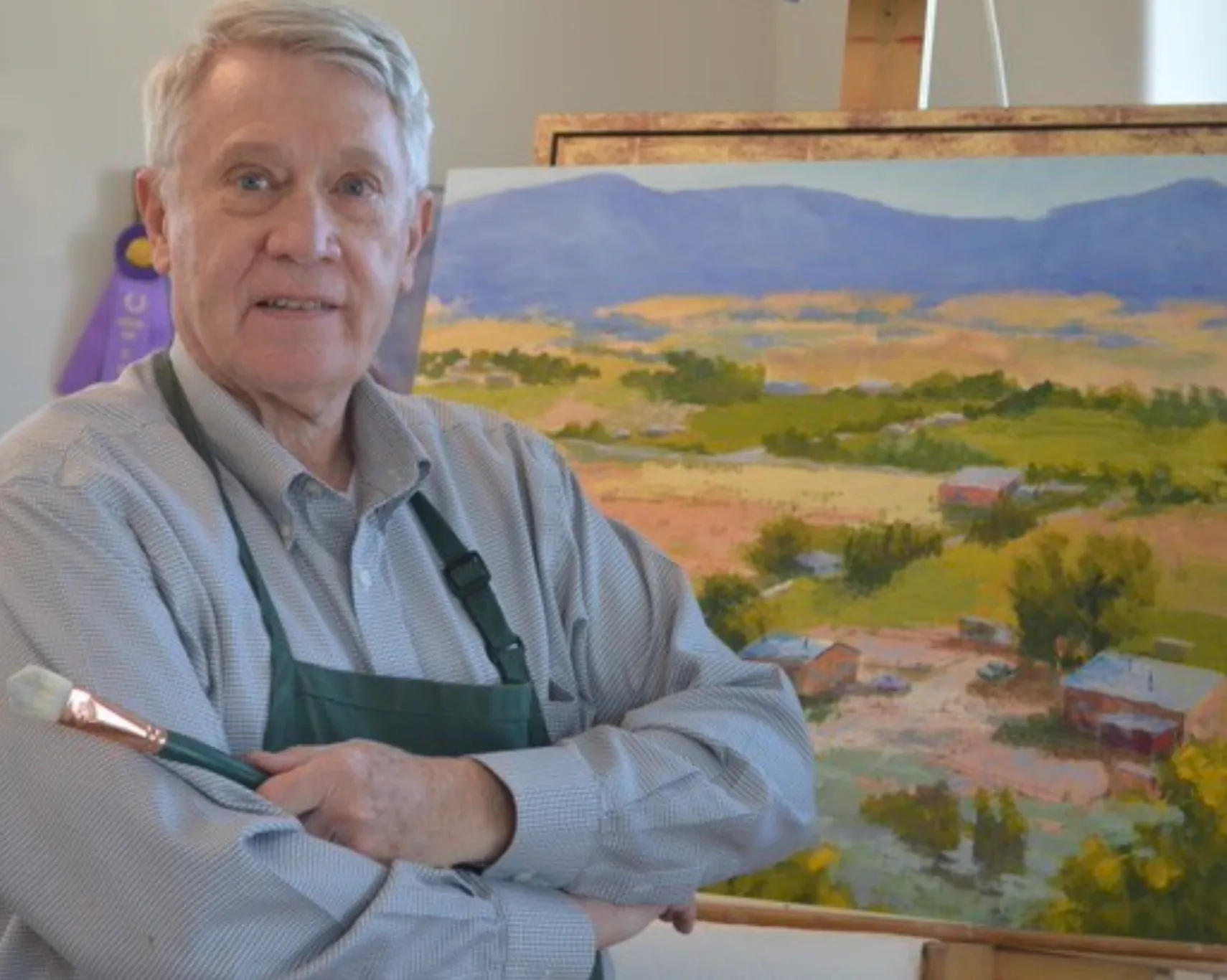
A retired medical school professor and published author who taught these approaches to faculty and surgical residents. He is now a sometimes successful, award-winning landscape artist who works on improving his painting skills and understanding the craft of oil painting daily.